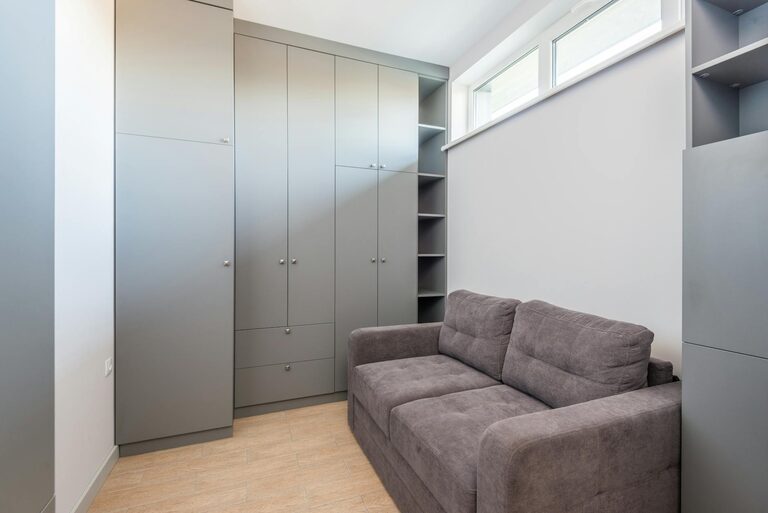
Creating a cozy and functional living space in a small area can be a rewarding challenge. With thoughtful organization and smart design choices, even the tiniest rooms can feel comfortable, inviting, and practical. Whether you live in a studio apartment, a small house, or just want to make better use of limited space, these tips will help you maximize every inch.
Assess Your Space and Set Priorities
Before you start rearranging furniture or buying storage baskets, take a good look at your room. Understanding the space’s dimensions and your specific needs is key.
– Measure your room carefully, including walls, windows, and doorways.
– Identify the primary functions of the space, such as sleeping, working, dining, or relaxing.
– List the furniture and items that are essential versus those that can be stored elsewhere or given away.
Having clear priorities guides your decisions and prevents clutter from taking over.
Use Multi-Functional Furniture
One of the best approaches in a small living area is to choose furniture that serves more than one purpose.
Examples of Multi-Functional Pieces:
– Sofa beds or futons: Great for small apartments where a guest bed is needed occasionally.
– Ottomans with storage: Provides seating and a place to hide blankets, magazines, or toys.
– Extendable dining tables: Compact most of the time but expandable when you have guests.
– Wall-mounted desks or fold-down tables: Save floor space when not in use.
By combining functions, you reduce the amount of furniture needed, opening up the space and enhancing comfort.
Optimize Vertical Space
When floor space is limited, think vertically. Walls and high shelves can be your best friends.
– Install floating shelves for books, plants, or decorative items.
– Use tall bookcases or storage units to take advantage of ceiling height.
– Hang hooks or pegboards on walls for coats, bags, kitchen tools, or accessories.
– Consider a loft bed if ceiling height permits, freeing up floor space underneath for a desk or seating area.
Vertical storage helps keep surfaces clear and makes your room feel less crowded.
Keep It Light and Bright
Colors and lighting greatly affect how spacious a room feels.
– Choose light, neutral colors for walls and large furniture pieces to create an airy atmosphere.
– Use mirrors strategically; they reflect light and create an illusion of more space.
– Ensure your room gets plenty of natural light. Avoid heavy drapes; opt for sheer curtains or blinds that let light in.
– Incorporate layered lighting—overhead, task, and ambient—to brighten every corner without overwhelming the room.
A well-lit, bright space feels more comfortable and inviting.
Declutter Regularly
Clutter is the enemy of comfort and functionality, especially in small spaces.
– Adopt a “less is more” mindset by regularly evaluating what you really use.
– Create designated spots for keys, mail, and daily essentials to avoid piles of clutter.
– Use decorative baskets or boxes to store smaller items neatly.
– Consider the one-in, one-out rule: when you bring something new home, donate or discard something old.
Regular decluttering keeps your space feeling fresh and manageable.
Maximize Storage Inside Furniture
Don’t overlook the hidden storage potential within your furniture.
– Beds with drawers underneath can hold linens, clothes, or shoes.
– Coffee tables with lift tops or compartments hide books and remote controls.
– Use storage bins under sofas or chairs for less frequently used items.
– Stackable storage containers can be tucked into closets or corners.
Creative storage inside furniture helps minimize visible clutter while keeping your essentials accessible.
Define Zones Without Walls
In small or open-plan spaces, clearly defining functional zones helps reduce chaos.
– Use rugs to differentiate areas like living, dining, and working.
– Consider room dividers such as shelving units, curtains, or folding screens.
– Arrange furniture in a way that naturally separates activities while maintaining flow.
This organization technique makes your space feel more orderly and purposeful.
Keep Surfaces Clear and Functional
Countertops, desktops, and tables are often the first places clutter accumulates.
– Limit decorative items to a few favorites to avoid overcrowding.
– Implement daily habits like clearing surfaces before bed.
– Use trays or small containers to group items and keep them organized.
– Coordinate charging stations for electronics to avoid tangled cords and clutter.
Clean, clear surfaces contribute significantly to comfort and ease of use.
Make Smart Use of Doors and Corners
Extra storage opportunities are often found in overlooked spots.
– Install over-the-door organizers for shoes, cleaning supplies, or pantry items.
– Use corner shelves or corner desks to utilize every inch.
– Add hooks or racks behind doors for towels, robes, or bags.
These small adjustments can free up space elsewhere and maintain room tidiness.
Personalize with Purpose
Your small living space should be a reflection of you but not at the expense of function.
– Select a few meaningful decorations instead of many small ones.
– Use textiles like throw pillows, rugs, and curtains to add softness and warmth.
– Incorporate plants to bring life without cluttering. Small pots on shelves or hanging plants work well.
– Choose storage and furnishings that match your style to create a harmonious environment.
Balancing personality and practicality will make your space both comfortable and enjoyable.
—
Maximizing comfort and functionality in a small living space requires a blend of clever design, smart organization, and mindful habits. By assessing your needs, embracing multi-purpose furniture, using vertical storage, keeping things light and bright, and regularly decluttering, you can transform even the smallest room into a welcoming retreat. Remember, the goal is not just to fit everything in but to create a home where you feel relaxed and organized every day.
Leave a Reply