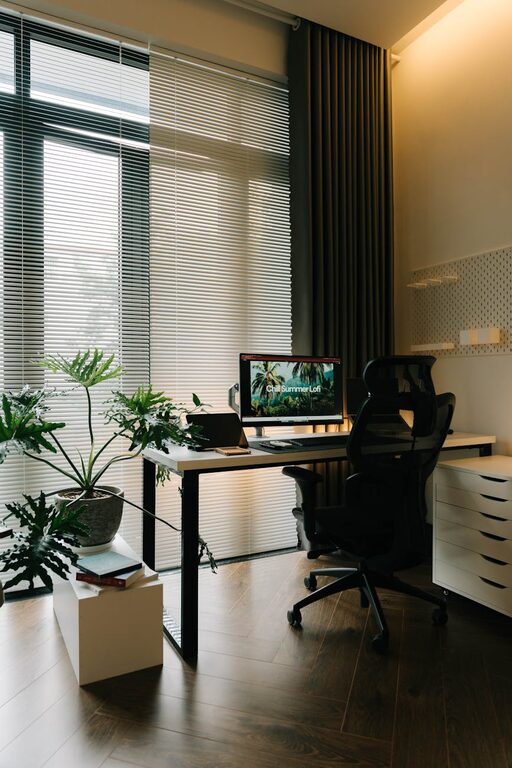
Creating a peaceful and inviting home workspace is essential for anyone looking to boost productivity while maintaining comfort and reducing stress. Whether you work remotely full-time or occasionally need to focus on tasks at home, designing a relaxing environment can help improve focus and make your workday more enjoyable.
In this post, we’ll explore practical tips for setting up a home workspace that promotes relaxation and productivity, helping you get the most out of your work hours.
Why a Relaxing Workspace Matters
Your workspace greatly influences how you feel and perform during work hours. A cluttered or noisy environment can increase stress and distract you, while a calm, organized space encourages concentration and creativity. Creating a relaxing atmosphere not only supports mental well-being but also helps carve out a clear boundary between work and home life.
Tips for Creating a Relaxing Home Workspace
1. Choose the Right Location
Pick a spot in your home that’s quiet and has minimal foot traffic. Ideally, this area should be separate from spaces associated with rest or entertainment, such as your bedroom or living room, to help your brain switch into work mode.
2. Optimize Natural Light
Natural light has been shown to improve mood and energy levels. Position your desk near a window if possible, but be mindful of glare on screens. If natural light is limited, choose soft, warm artificial lighting to create a soothing atmosphere without straining your eyes.
3. Invest in Comfortable Furniture
Comfort is key to maintaining focus for long periods. Choose an ergonomic chair with good lumbar support and a desk at a comfortable height. Consider adjustable furniture that allows you to alternate between sitting and standing.
4. Declutter and Organize
A tidy workspace reduces mental clutter and distractions. Use storage solutions like shelves, bins, or drawers to keep supplies organized. Only keep essential items on your desk to maintain a clean, open surface.
5. Incorporate Calming Colors
Colors can influence mood and productivity. Soft, muted tones such as blues, greens, and neutrals are known to have calming effects. Avoid overly bright or harsh colors that can cause eye strain or agitation.
6. Add Personal Touches
Add elements that make the space feel welcoming without overwhelming it. A small plant, artwork, or inspiring quotes can personalize your workspace and create a sense of calm and motivation.
7. Minimize Noise Distractions
If you don’t have access to a quiet room, consider noise-cancelling headphones or soft background music to reduce distractions. White noise machines or apps can also help mask background sounds.
8. Use Scent to Relax
Lightly scented candles or essential oils like lavender or eucalyptus can create a soothing ambiance. Use scents sparingly to avoid overwhelming your senses and ensure good ventilation.
9. Maintain Good Air Quality
Fresh air and proper ventilation improve concentration and make the space more pleasant. Open windows when possible or use an air purifier to keep the environment fresh.
10. Manage Technology Mindfully
Keep cables and tech clutter under control using cable organizers. Position your screen to reduce glare and eye strain. Turn off unnecessary notifications when working to minimize interruptions.
11. Take Regular Breaks
Even in a relaxing workspace, it’s important to step away periodically. Use a timer or productivity method like the Pomodoro Technique to schedule breaks, stretch, and refresh your mind.
Final Thoughts
Designing a relaxing home workspace doesn’t require a major overhaul. Simple changes like organizing your desk, adding natural light, and introducing calming elements can make a big difference in your productivity and well-being. Experiment with different ideas to find what works best for you, and remember that a comfortable, peaceful environment supports both focus and creativity.
Creating a workspace that feels calm and inviting will make your workdays more enjoyable and help you maintain a healthy balance between productivity and relaxation.