Category: public

  • Tips for Creating a Cozy and Productive Home Office Space

    Tips for Creating a Cozy and Productive Home Office Space

    Spread the love

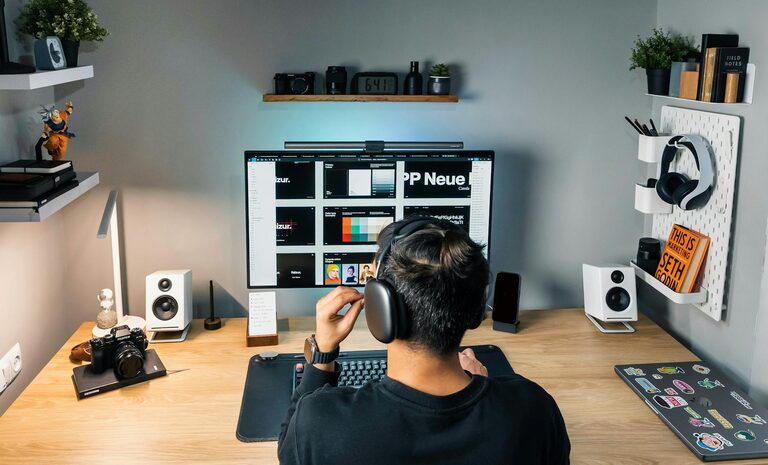
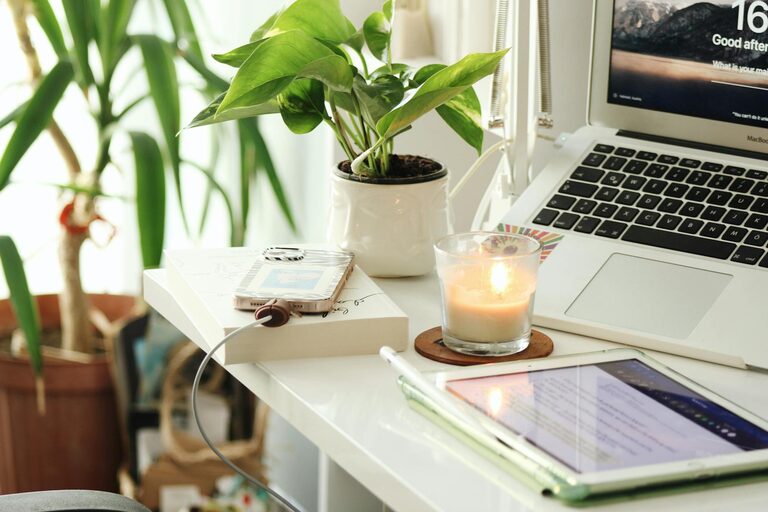
    Creating a home office that is both cozy and productive can transform your workday. When your workspace feels inviting and organized, it encourages focus and motivation. Whether you have a dedicated room or a small corner, the right setup can make all the difference. Here are some helpful tips to design a home office that supports your best work while feeling warm and comfortable.

    Choose the Right Location

    Finding the perfect spot for your home office is the first step. Ideally, pick a quiet area away from high-traffic zones in your home. Natural light is a major plus, so try to set your desk near a window if possible. Good lighting reduces eye strain and boosts mood.

    If a separate room isn’t an option, create a defined workspace in a corner or a nook using a desk, room divider, or shelving to separate work from relaxation.

    Invest in Comfortable Furniture

    Comfort is crucial when spending hours at your desk. Choose a chair with good lumbar support and adjustable height to keep your posture healthy. If you prefer, a standing desk or a convertible sit-stand setup allows you to change positions throughout the day, which can improve focus and reduce fatigue.

    Select a desk size that fits your equipment but doesn’t feel cramped. Enough surface space helps you stay organized and works efficiently.

    Optimize Lighting

    Good lighting involves a balance of natural and artificial sources. Position your desk to avoid glare from windows or overhead lights on your screen. Use adjustable desk lamps with soft, warm light for evening work sessions to reduce eye strain.

    Consider using light bulbs that mimic daylight for better color accuracy and alertness during work hours.

    Personalize Your Space

    Adding personal touches makes your home office feel inviting. Decorate with items that inspire you, such as artwork, plants, or meaningful photos. Plants are especially great since they improve air quality and add a calming touch.

    Choose colors and textures that promote tranquility. Soft textiles like a cozy rug or cushions can make your space more comfortable without distraction.

    Keep It Organized

    Clutter can hinder productivity and add stress. Use storage solutions like shelves, drawers, and organizers to keep supplies and documents tidy. Label containers to find what you need quickly.

    Develop a habit of tidying up your desk at the end of each day, so you start fresh tomorrow.

    Establish a Work Routine

    Setting regular work hours and breaks helps maintain focus and prevent burnout. Use timers or calendar reminders to encourage movement and limit distractions such as social media.

    Consider setting boundaries with others in your home to minimize interruptions during work times.

    Use Technology Wisely

    Equip your space with the tools and gadgets that support your work. This may include a reliable computer, high-speed internet, quality headphones, and an ergonomic keyboard and mouse.

    Keep cables organized with clips or sleeves to avoid tangling and maintain a neat appearance.

    Maintain Good Air Quality

    A well-ventilated space enhances focus and well-being. If possible, open windows regularly to circulate fresh air. An air purifier or a small fan can help improve airflow in enclosed rooms.

    Plants not only decorate but also absorb toxins and improve oxygen levels.

    Incorporate Break Areas

    If space permits, include a small spot for relaxation away from your desk. A comfortable chair or a soft throw blanket encourages breaks and helps recharge your mind.

    Taking short breaks has been shown to increase overall productivity and creativity.

    Final Thoughts

    Designing a home office that’s both cozy and productive is about balancing comfort with function. By thoughtfully choosing your location, furniture, lighting, décor, and organization methods, your workspace can become a place you look forward to spending time in. Regular routines and good technology support your workflow, while personal touches make it uniquely yours. With these tips, you can create an environment that inspires focus and well-being every day.
  • How to Create a Cozy Reading Nook in Your Home

    How to Create a Cozy Reading Nook in Your Home

    Spread the love

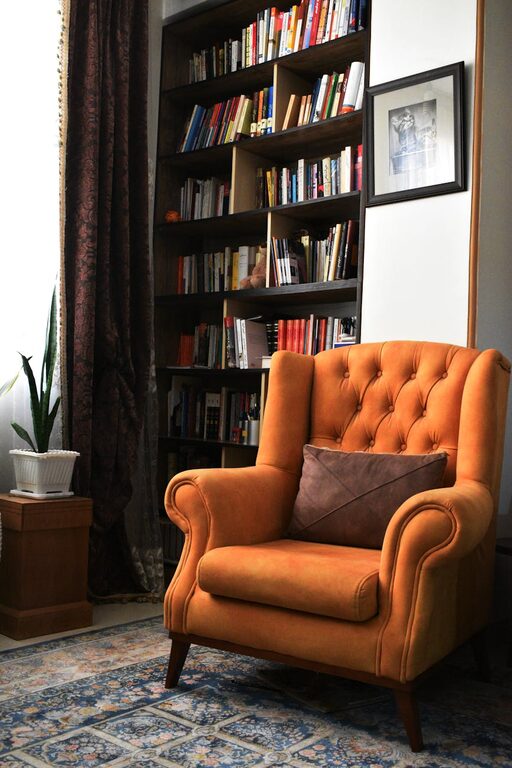
    Creating a cozy reading nook in your home is a wonderful way to carve out a personal retreat where you can unwind, escape, and enjoy your favorite books. Whether you have a spacious room or a small corner, designing an inviting spot dedicated to reading can enhance your comfort and elevate your reading experience. In this guide, we’ll share practical tips and ideas to help you build the perfect cozy reading nook tailored to your space and style.

    1. Choose the Ideal Location

    Find a Quiet Corner

    Begin by identifying a quiet and peaceful corner or room in your home. This spot should be away from high-traffic areas to minimize distractions. It could be a corner in your living room, a window seat, an unused alcove, or even a small area under the stairs.

    Consider Natural Light

    Natural light makes a reading nook more pleasant and reduces eye strain. Choose a space near a window where you can enjoy daylight during the day. If natural light isn’t an option, plan for good artificial lighting that mimics daylight.

    2. Focus on Comfortable Seating

    Pick the Right Chair or Seating

    Comfort is key to a cozy reading nook. A plush armchair, a cushioned bench, or a large bean bag can work well. If space is limited, a window seat with plenty of cushions offers a charming alternative. Look for seating that supports good posture and feels inviting.

    Add Soft Textiles

    Layer your seat with soft cushions, blankets, and throws. These textures add warmth and make your nook inviting year-round, especially during cooler months. Choose fabrics that feel soft against your skin, like fleece, knit, or velvet.

    3. Optimize Lighting

    Use Layered Lighting

    In addition to natural light, you’ll need layered lighting options for evening or cloudy days. A good reading lamp with adjustable brightness is essential. Consider floor lamps, table lamps, or wall-mounted lights directed toward your book.

    Choose Warm-White Bulbs

    Warm-white bulbs (around 2700K to 3000K) create a cozy, relaxing atmosphere compared to cooler, harsh light. This color temperature helps you feel comfortable and reduces eye fatigue.

    4. Organize Your Books and Accessories

    Keep Books Within Reach

    Install shelves or a small bookcase near your seat so your favorite reads are always close at hand. Floating shelves, wall-mounted racks, or a nearby cart can work even in small spaces.

    Add Personal Touches

    Include a small side table or basket to hold bookmarks, reading glasses, or a cup of tea. Personal touches like framed photos, candles, or small plants can make the space feel uniquely yours.

    5. Incorporate Soothing Elements

    Use Calming Colors

    Paint your nook or add decor in calming colors like soft blues, greens, warm neutrals, or pastels. These colors help create a serene atmosphere that makes reading more enjoyable.

    Add Natural Elements

    Incorporate elements from nature such as potted plants, dried flowers, or natural woods. These additions can provide tranquility and a pleasant sensory experience.

    6. Minimize Distractions

    Establish Boundaries

    If your nook is in a shared space, use a room divider, curtain, or tall bookshelf to create a sense of separation. This helps you focus and signals to others that this is your reading zone.

    Keep It Clutter-Free

    A tidy space promotes relaxation and concentration. Regularly organize books and accessories, and avoid overcrowding your nook with too many items.

    7. Personalize Your Reading Nook

    Reflect Your Style

    Your reading nook should be a reflection of your personality and taste. Whether that means vintage decor, modern simplicity, bohemian flair, or rustic charm, incorporate colors, patterns, and objects that resonate with you.

    Update Seasonally

    Change throws, pillows, or wall art with the seasons to keep your nook fresh and inviting. Adding seasonal scents with candles or essential oils can also enhance the cozy vibe.

    8. Make It Functional

    Add Power Access

    If you like reading on electronic devices or listening to audiobooks, ensure your nook has easy access to outlets or device chargers.

    Consider Sound Options

    A small Bluetooth speaker can provide gentle background music or ambient sounds to deepen your relaxation. Just keep volume low so it doesn’t disrupt your focus.

    Creating a cozy reading nook is about making a space that feels inviting, comfortable, and uniquely yours. With thoughtful seating, good lighting, easy access to books, and a peaceful atmosphere, your reading nook will become your favorite spot to unwind. Whether you dedicate an entire room or transform a small corner, these tips will help you immerse yourself in the joy of reading anytime you want. Happy reading!

  • Tips for Creating a Productive Home Office Space

    Tips for Creating a Productive Home Office Space

    Spread the love

    Creating a productive home office space is essential for anyone working remotely or running a business from home. A well-designed workspace can enhance focus, reduce distractions, and improve overall work satisfaction. Whether you have a dedicated room or a small corner in your living area, the right setup can make a big difference. In this post, we’ll explore practical tips to help you create a home office that supports your productivity and well-being.

    Choose the Right Location

    Find a Quiet Area

    Selecting a location with minimal noise and foot traffic helps maintain concentration. If possible, choose a room with a door to separate work from home life.

    Make Use of Natural Light

    Position your desk near a window to take advantage of natural daylight. It can improve mood and energy while reducing eye strain. If natural light isn’t available, invest in good quality lighting that doesn’t cause glare.

    Invest in Comfortable and Functional Furniture

    Ergonomic Chair and Desk

    Your chair and desk are the foundation of a comfortable workspace. An ergonomic chair supports your back and promotes good posture. Adjustable desks, including standing desk options, allow you to switch positions, which can help prevent fatigue.

    Organize Your Desk Surface

    Keep your desk clutter-free with only necessary items like your computer, a notepad, and a pen. Use desk organizers or trays to store small items and keep everything within reach.

    Optimize Your Technology Setup

    Reliable Internet Connection

    A strong, stable internet connection is a must for videoconferences and online tasks. Consider upgrading your router or using a wired connection if Wi-Fi is inconsistent.

    Equipment and Accessories

    Use a suitable computer or laptop with the right specifications for your work. Add accessories such as a second monitor, keyboard, mouse, and headset to enhance efficiency and comfort.

    Create an Organized Environment

    Storage Solutions

    Shelves, filing cabinets, or storage boxes help keep documents and supplies tidy. Label containers for easy access and regularly declutter your space.

    Cable Management

    Use cable organizers or clips to keep wires from tangling or cluttering your desk. This not only looks neat but reduces frustration.

    Personalize Your Space Wisely

    Add Motivating Elements

    Incorporate items that inspire you, such as artwork, plants, or motivational quotes. Plants in particular can improve air quality and add a calming touch.

    Avoid Overcrowding

    While personalization is great, too many decorations can distract. Aim for a balance that promotes focus.

    Establish Clear Boundaries and Routines

    Define Work Hours

    Set specific working hours to separate your professional time from personal life. Inform family members of these hours to minimize interruptions.

    Use a Dedicated Workspace

    Even if space is limited, having a specific area designated for work helps signal your brain when it’s time to focus.

    Maintain Good Ergonomics and Health Habits

    Posture and Positioning

    Ensure your monitor is at eye level and your feet rest flat on the ground. Take breaks to stretch and adjust your posture often.

    Stay Hydrated and Take Breaks

    Keep water nearby and remember to step away from your desk throughout the day. Short breaks improve concentration and reduce fatigue.

    Final Thoughts

    Creating a productive home office is all about designing a space that supports your work style and well-being. By choosing the right location, investing in ergonomic furniture, organizing effectively, and establishing clear boundaries, you can make working from home both comfortable and efficient. Remember, small changes can lead to big improvements in your daily workflow.

    With these tips, you’re well on your way to building a home office where productivity flourishes. Happy working!

  • Tips for Creating a Cozy and Inviting Living Room Space

    Tips for Creating a Cozy and Inviting Living Room Space

    Spread the love

    Creating a cozy and inviting living room is a wonderful way to make your home feel more welcoming and comfortable. Whether you enjoy quiet evenings with a book, gatherings with family, or relaxing after a busy day, your living room should be a space that encourages relaxation and connection. Here are some helpful tips to design a living room that feels warm and inviting.

    1. Choose Comfortable Seating

    Comfort is key when creating a cozy living room. Invest in sofas and chairs that offer good support and soft cushions. Consider the layout carefully to ensure there is enough seating for family and guests without overcrowding the room.

    – Opt for plush sofas or sectionals with soft fabric or leather upholstery.

    – Add armchairs or cozy ottomans for extra seating and comfort.

    – Include throw blankets and pillows to add layers of softness and warmth.

    2. Use Warm and Neutral Colors

    Color plays a major role in setting the mood of your living room. Warm and neutral tones often create a soothing and inviting atmosphere.

    – Choose paint colors like soft beige, warm taupe, creams, or gentle gray tones for the walls.

    – Add pops of color with accessories like throw pillows, rugs, or artwork.

    – Avoid overly bright or harsh colors that may make the space feel less relaxing.

    3. Add Soft Lighting

    Lighting can make a big difference in how cozy a room feels. Instead of relying solely on overhead lights, incorporate various sources of soft lighting.

    – Use table lamps and floor lamps with warm bulbs for a gentle glow.

    – Consider dimmer switches to adjust brightness according to mood and time of day.

    – Candles or string lights can add a charming, soft ambiance.

    4. Layer Textures

    Different textures add depth and interest to your living room, making it feel more inviting and homely.

    – Combine fabrics like wool, cotton, velvet, and linen in your cushions and throws.

    – Use area rugs with soft fibers to warm up hard flooring surfaces.

    – Incorporate natural materials such as wooden furniture, woven baskets, and pottery.

    5. Personalize with Meaningful Decor

    Adding personal touches helps make your living room feel lived-in and welcoming.

    – Display family photos in tasteful frames.

    – Showcase favorite books, keepsakes, or travel souvenirs on shelves or side tables.

    – Choose artwork or decorative pieces that reflect your style and personality.

    6. Keep the Space Organized and Clutter-Free

    A neat and tidy living room instantly feels more inviting.

    – Use storage solutions like baskets, cabinets, or ottomans with hidden compartments.

    – Keep surfaces clear of unnecessary items to avoid a cluttered appearance.

    – Regularly declutter to maintain a calm and open environment.

    7. Incorporate Greenery

    Plants bring life and freshness to any room.

    – Choose easy-to-care-for houseplants that thrive indoors, such as pothos, snake plants, or succulents.

    – Use a mix of sizes and planters to add visual interest.

    – Position plants near natural light sources whenever possible.

    8. Arrange Furniture for Conversation

    The way furniture is arranged can encourage socializing and create a welcoming vibe.

    – Position sofas and chairs facing each other to facilitate conversation.

    – Avoid pushing all furniture against the walls; pulling pieces slightly inward creates intimacy.

    – Ensure there is easy access to seating without awkward gaps or obstacles.

    9. Use Area Rugs to Define the Space

    Area rugs help anchor furniture and can make a living room feel cozy.

    – Select rugs that are soft underfoot and complement your décor colors.

    – Make sure the rug is the right size: ideally, at least the front legs of seating pieces should rest on it.

    – Layering rugs can also add texture and warmth.

    10. Add a Fireplace or Focal Point

    A fireplace naturally creates a warm, cozy atmosphere. If a traditional fireplace isn’t an option, consider alternatives.

    – Electric or gas fireplaces are stylish and easy to install.

    – Arrange seating around a central coffee table or statement piece.

    – Use artwork or a large mirror above a mantle or console table to create a focal point.

    By thoughtfully combining these elements, you can turn your living room into a cozy retreat that invites relaxation and connection. Remember that small changes can make a big difference, so start with one or two improvements and enjoy the process of creating a warm and welcoming living space.

  • Tips for Creating a Cozy and Functional Home Office Space

    Tips for Creating a Cozy and Functional Home Office Space

    Spread the love

    Creating a home office that is both cozy and functional can transform your work-from-home experience. When your workspace feels inviting and efficient, it’s easier to stay motivated, organized, and comfortable throughout your workday. Whether you have a dedicated room, a corner of your living room, or even just a small nook, these tips will help you design a space that meets your needs and feels like your own.

    1. Choose the Right Location

    The location of your home office plays a huge role in its functionality and coziness.

    Natural Light: Aim to set up near a window if possible. Natural light boosts mood and energy levels.

    Quiet Environment: Find a spot away from household noise and distractions for better concentration.

    Space: Even a small space works if organized well. Ensure you have enough room for essential furniture and movement.

    2. Invest in Comfortable Furniture

    Your furniture choices directly impact comfort and productivity.

    Ergonomic Chair: Choose a chair that supports your back and encourages good posture.

    Desk: Pick a desk with enough surface area to hold your computer, supplies, and any other tools.

    Adjustable Options: Consider furniture that allows you to switch between sitting and standing positions.

    3. Organize with Purpose

    An organized workspace reduces stress and saves time.

    Storage Solutions: Use shelves, drawers, and bins to keep supplies tidy and accessible.

    Desk Organizers: Keep your frequently used items within easy reach to avoid clutter.

    Cable Management: Use clips and ties to keep cords neat and prevent tangling.

    4. Add Personal Touches for Coziness

    Make your office a space you enjoy spending time in.

    Plants: Adding greenery can improve air quality and add life to your setup.

    Soft Textiles: Include a comfy rug, cushions, or a throw blanket to enhance warmth.

    Artwork and Photos: Decorate with items that inspire and motivate you without overwhelming the space.

    5. Control Lighting Wisely

    Good lighting reduces eye strain and sets the mood.

    Layered Lighting: Combine overhead lights with desk lamps or floor lamps for flexibility.

    Warm Bulbs: Use bulbs that emit warm light to create a welcoming atmosphere.

    Adjustable Lamps: Choose lamps that can be positioned to reduce glare on screens.

    6. Minimize Distractions

    Creating boundaries helps maintain focus.

    Noise Reduction: Use noise-canceling headphones or a white noise machine if needed.

    Clear Desk Policy: At the end of the day, tidy your desk to signal the end of work and start fresh the next day.

    Set Boundaries: If others share your living space, establish clear work hours and space limits.

    7. Technology Setup

    Efficient technology improves workflow and comfort.

    Reliable Internet: Ensure your internet connection is strong and stable.

    Monitor Height: Position your monitor at eye level to avoid neck strain.

    Keyboard and Mouse: Choose ergonomic options to support comfortable typing and clicking.

    8. Incorporate Break Space Elements

    Encourage regular breaks to maintain productivity and well-being.

    Comfortable Chair: Include a second chair or small sofa for relaxing during breaks.

    Refreshment Station: Keep a water bottle or coffee nearby to stay hydrated.

    Personal Activities: Have a book, puzzle, or another relaxing item to shift gears during downtime.

    Conclusion

    Designing a home office that balances coziness with functionality can significantly improve your work experience. Prioritize comfort, organization, and personalization, and adapt your workspace to your daily needs. With a welcoming environment that encourages focus and relaxation, your home office can become one of your favorite places to be. Start small, experiment, and make your workspace truly your own.

  • Tips for Creating a Cozy and Inviting Reading Nook at Home

    Tips for Creating a Cozy and Inviting Reading Nook at Home

    Spread the love

    Creating a cozy and inviting reading nook in your home is a wonderful way to carve out a personal space dedicated to relaxation and enjoyment. Whether you have a small corner of a room or a larger area available, thoughtful design can transform it into your favorite spot. Here are practical tips to help you build a reading nook that feels warm, comfortable, and inspiring.

    Choose the Right Location

    Selecting the perfect spot for your reading nook is an essential first step.

    Natural Light: If possible, find a space near a window to benefit from natural light during the day. This not only helps reduce eye strain but also creates a bright and uplifting atmosphere.

    Quiet Area: Pick a place away from the main traffic areas in your home to minimize distractions and noise.

    Space Consideration: Even a small corner or unused alcove can be transformed into a reading nook with the right furnishings.

    Invest in Comfortable Seating

    Comfort is key when it comes to enjoying long reading sessions.

    Cozy Armchair or Lounge Chair: Choose a chair that supports good posture but is soft enough to sink into.

    Window Seat: If you have a built-in window bench, add thick cushions and pillows for a warm, inviting feel.

    Floor Seating: Large floor cushions, bean bags, or poufs can work well in casual spaces or for those who enjoy reading close to the ground.

    Add Soft Textiles

    Textiles play a big role in making a space feel cozy.

    Throw Blankets: Keep a soft throw nearby for warmth and added comfort.

    Plush Pillows: Mix and match pillows of various sizes and textures to create a layered, inviting look.

    Rugs: A small, plush area rug can add warmth underfoot and visually define your nook.

    Lighting Matters

    Good lighting can make a big difference when it comes to comfort and book enjoyment.

    Task Lighting: A flexible floor lamp or adjustable table lamp near your seat ensures you have enough light to read without straining your eyes.

    Ambient Lighting: Consider soft string lights, candles (real or LED), or a small lamp with a warm bulb to enhance the cozy atmosphere during evenings.

    Natural Light Reflection: Use light-colored walls or curtains to reflect natural light and brighten the space.

    Organize Your Books and Essentials

    Having your books and favorite reading accessories close at hand adds to the convenience and charm of the nook.

    Bookshelves: Install wall-mounted shelves or use a small bookshelf to store your current reads and favorites.

    Baskets or Storage Bins: Use these to organize magazines, notebooks, or extra blankets.

    Side Table: A small, sturdy table can hold your cup of tea, reading glasses, or a notebook for jotting down thoughts.

    Personalize Your Space

    Add decorative touches that reflect your personality to make the nook truly yours.

    Artwork or Prints: Choose calming or inspiring images to hang nearby.

    Plants: Small indoor plants or succulents can bring life and freshness to the nook.

    Scented Candles or Diffusers: Pleasant aromas, such as lavender or vanilla, can enhance relaxation.

    Maintain a Clutter-Free Area

    A cluttered space can disrupt the serene feeling you want in your reading nook.

    Declutter Regularly: Keep surfaces clear and organized.

    Limit Electronics: Try to keep the nook free from distractions like phones or TVs, unless you use an e-reader.

    Regular Cleaning: Dust and vacuum your nook often to maintain a clean and inviting environment.

    Make It Multi-Functional (If Needed)

    If space is limited, you might want your nook to serve multiple purposes.

    Foldable Furniture: Consider chairs that can fold away or small tables that double as storage units.

    Convertible Seating: An ottoman with storage or a bench with cushions can provide extra seating and keep items tucked away.

    Lighting with a Dimmer: Allows you to adjust the ambiance depending on whether you’re reading or relaxing.

    Final Thoughts

    Designing a reading nook is all about crafting a space where you look forward to spending time. By selecting the right location, prioritizing comfort, layering textures, ensuring good lighting, and adding personal touches, you can create a cozy retreat that nurtures your love for reading. Don’t be afraid to experiment with different arrangements until you find the one that feels just right for you.

    Enjoy your new reading nook and happy reading!

nadoxeo
Privacy Overview

This website uses cookies so that we can provide you with the best user experience possible. Cookie information is stored in your browser and performs functions such as recognising you when you return to our website and helping our team to understand which sections of the website you find most interesting and useful.