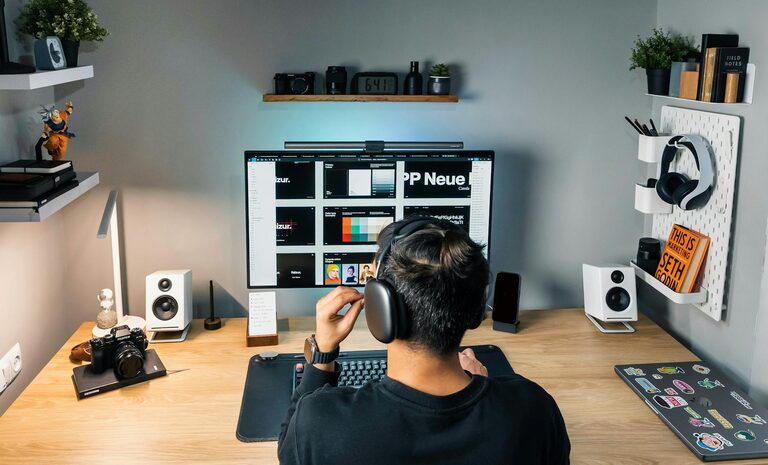
Creating a home office that is both cozy and functional can transform your work-from-home experience. When your workspace feels inviting and efficient, it’s easier to stay motivated, organized, and comfortable throughout your workday. Whether you have a dedicated room, a corner of your living room, or even just a small nook, these tips will help you design a space that meets your needs and feels like your own.
1. Choose the Right Location
The location of your home office plays a huge role in its functionality and coziness.
– Natural Light: Aim to set up near a window if possible. Natural light boosts mood and energy levels.
– Quiet Environment: Find a spot away from household noise and distractions for better concentration.
– Space: Even a small space works if organized well. Ensure you have enough room for essential furniture and movement.
2. Invest in Comfortable Furniture
Your furniture choices directly impact comfort and productivity.
– Ergonomic Chair: Choose a chair that supports your back and encourages good posture.
– Desk: Pick a desk with enough surface area to hold your computer, supplies, and any other tools.
– Adjustable Options: Consider furniture that allows you to switch between sitting and standing positions.
3. Organize with Purpose
An organized workspace reduces stress and saves time.
– Storage Solutions: Use shelves, drawers, and bins to keep supplies tidy and accessible.
– Desk Organizers: Keep your frequently used items within easy reach to avoid clutter.
– Cable Management: Use clips and ties to keep cords neat and prevent tangling.
4. Add Personal Touches for Coziness
Make your office a space you enjoy spending time in.
– Plants: Adding greenery can improve air quality and add life to your setup.
– Soft Textiles: Include a comfy rug, cushions, or a throw blanket to enhance warmth.
– Artwork and Photos: Decorate with items that inspire and motivate you without overwhelming the space.
5. Control Lighting Wisely
Good lighting reduces eye strain and sets the mood.
– Layered Lighting: Combine overhead lights with desk lamps or floor lamps for flexibility.
– Warm Bulbs: Use bulbs that emit warm light to create a welcoming atmosphere.
– Adjustable Lamps: Choose lamps that can be positioned to reduce glare on screens.
6. Minimize Distractions
Creating boundaries helps maintain focus.
– Noise Reduction: Use noise-canceling headphones or a white noise machine if needed.
– Clear Desk Policy: At the end of the day, tidy your desk to signal the end of work and start fresh the next day.
– Set Boundaries: If others share your living space, establish clear work hours and space limits.
7. Technology Setup
Efficient technology improves workflow and comfort.
– Reliable Internet: Ensure your internet connection is strong and stable.
– Monitor Height: Position your monitor at eye level to avoid neck strain.
– Keyboard and Mouse: Choose ergonomic options to support comfortable typing and clicking.
8. Incorporate Break Space Elements
Encourage regular breaks to maintain productivity and well-being.
– Comfortable Chair: Include a second chair or small sofa for relaxing during breaks.
– Refreshment Station: Keep a water bottle or coffee nearby to stay hydrated.
– Personal Activities: Have a book, puzzle, or another relaxing item to shift gears during downtime.
Conclusion
Designing a home office that balances coziness with functionality can significantly improve your work experience. Prioritize comfort, organization, and personalization, and adapt your workspace to your daily needs. With a welcoming environment that encourages focus and relaxation, your home office can become one of your favorite places to be. Start small, experiment, and make your workspace truly your own.
Leave a Reply